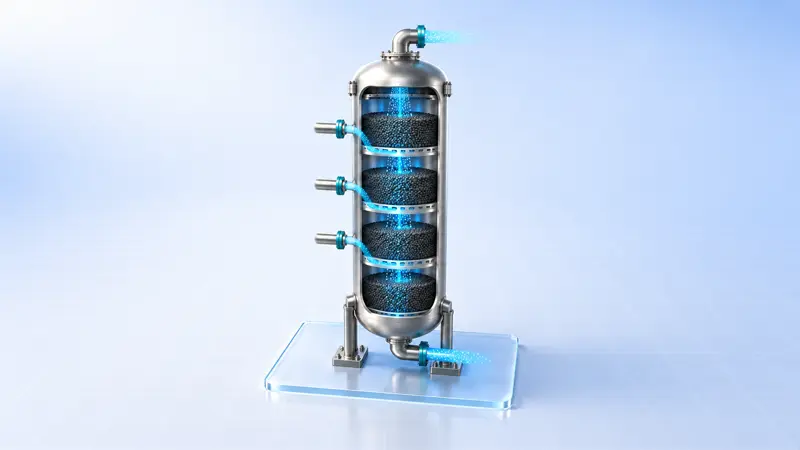
Ammonia production by the Haber process
How can nitrogen from the air be converted into ammonia quickly, efficiently and economically?
Explore freely
Adjust a parameter. Watch the world change.
Explore the principles behind it through 3D simulations in Vietnamese.

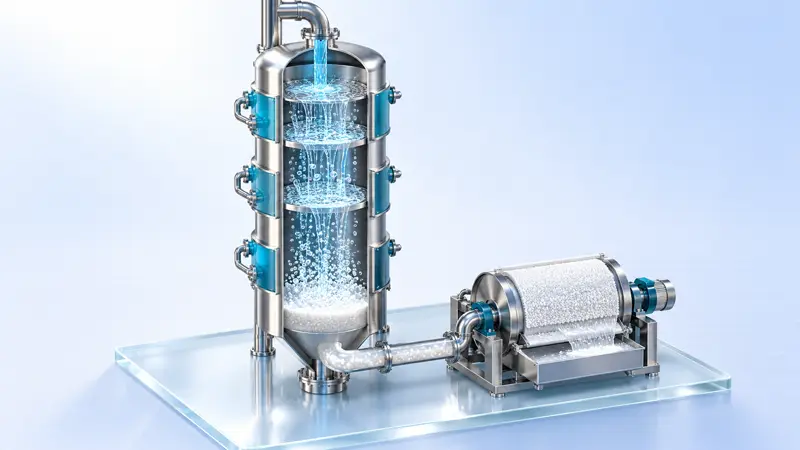
Forces, motion and electromagnetism
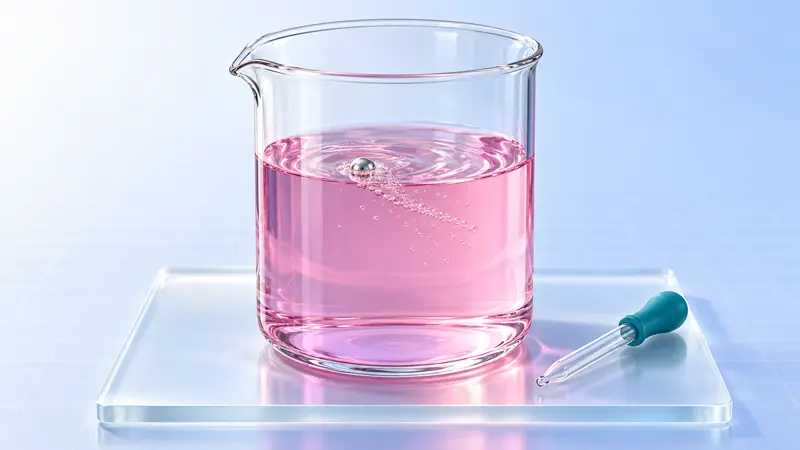
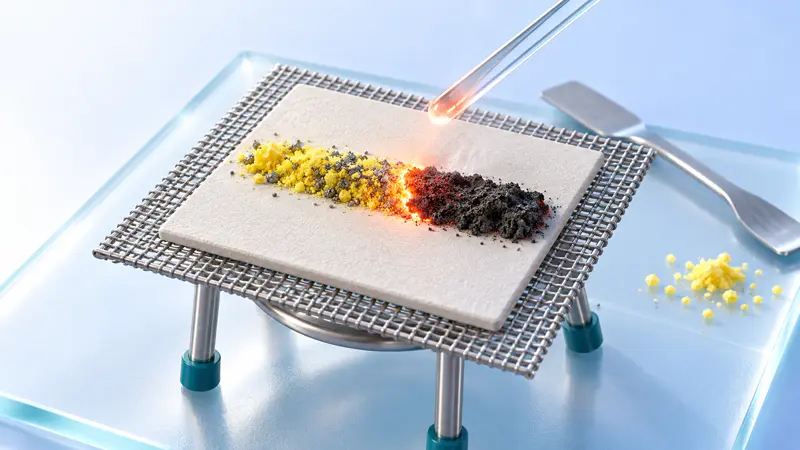
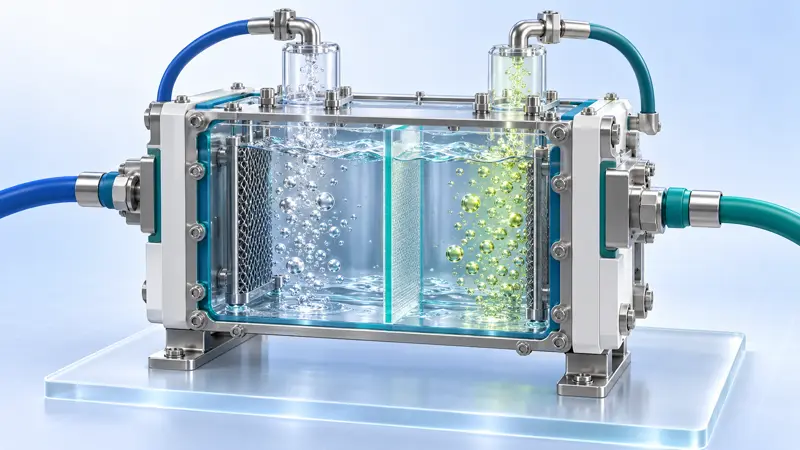
Reactions and the molecular world
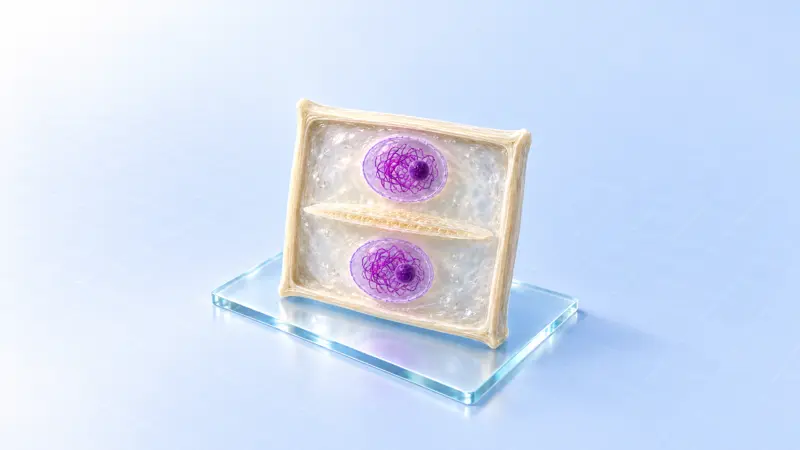
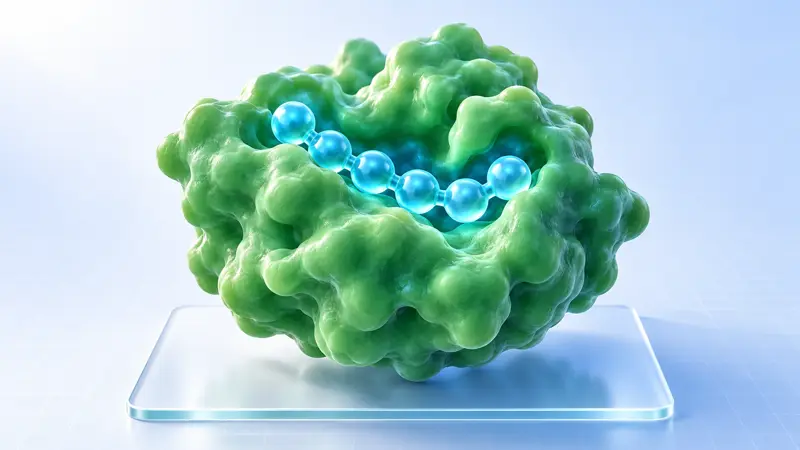
A closer look at life
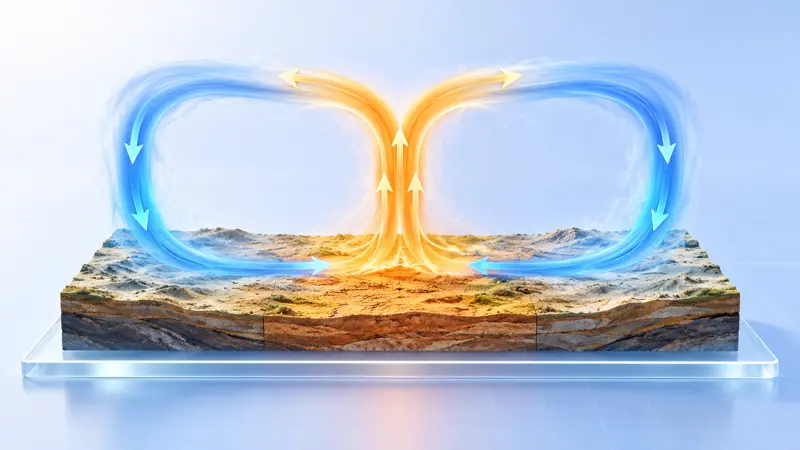
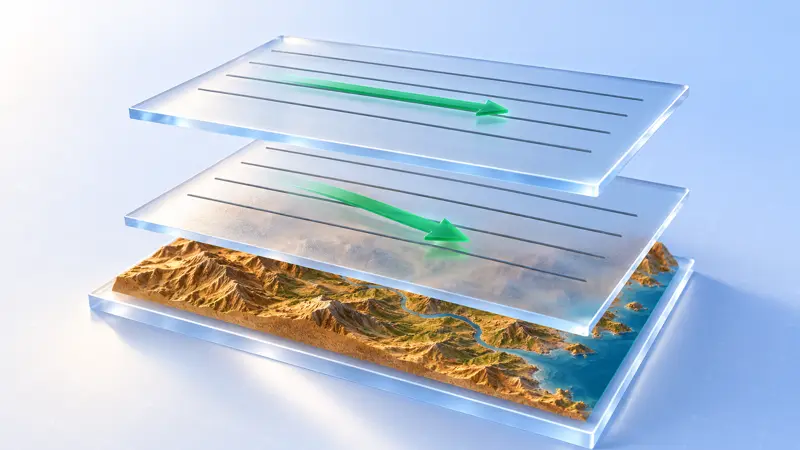
Read the Earth's changing patterns
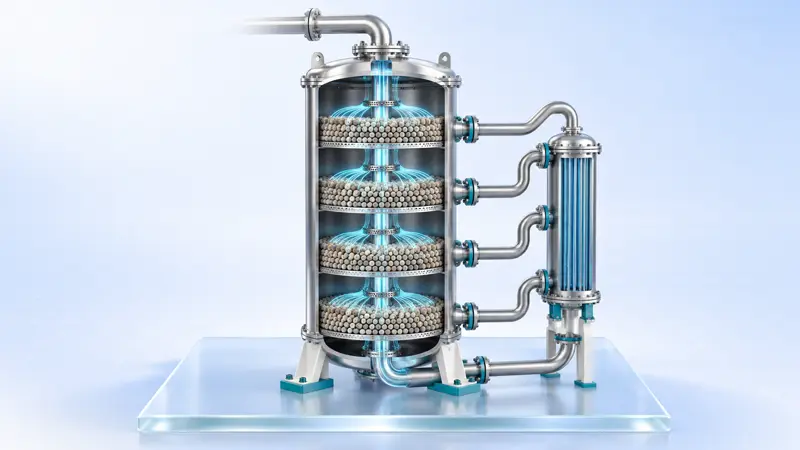
How can nitrogen from the air be converted into ammonia quickly, efficiently and economically?
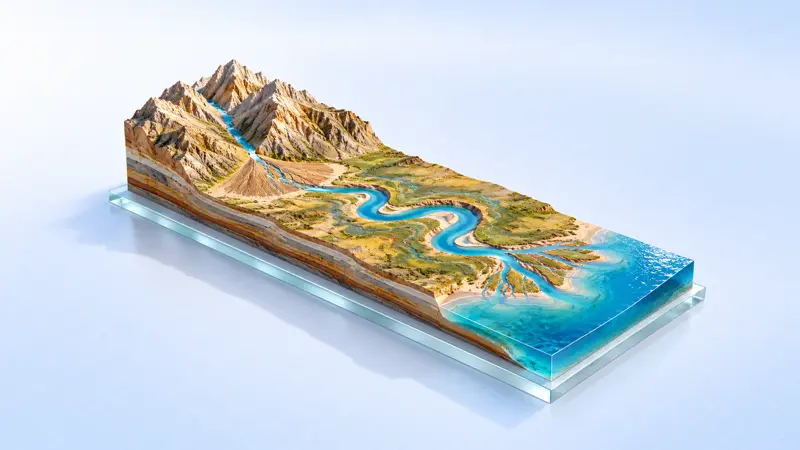
Why does the shoreline of the Yangtze River at Zhenjiang keep shifting northwards?
Why do some reactions finish in seconds while others take a long time? What determines how fast a reaction proceeds?
Why do the Sun's altitude and direction at noon change systematically throughout the year?
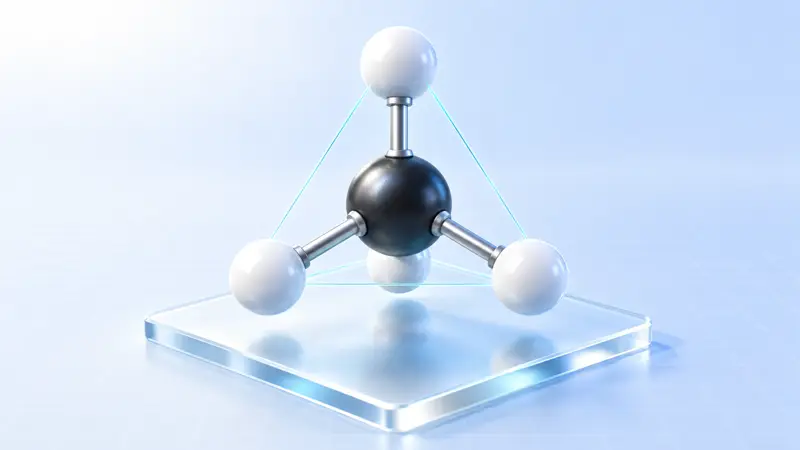
Molecular formulae are drawn on flat paper, but what are the actual three-dimensional shapes? What can a ball-and-stick model reveal?
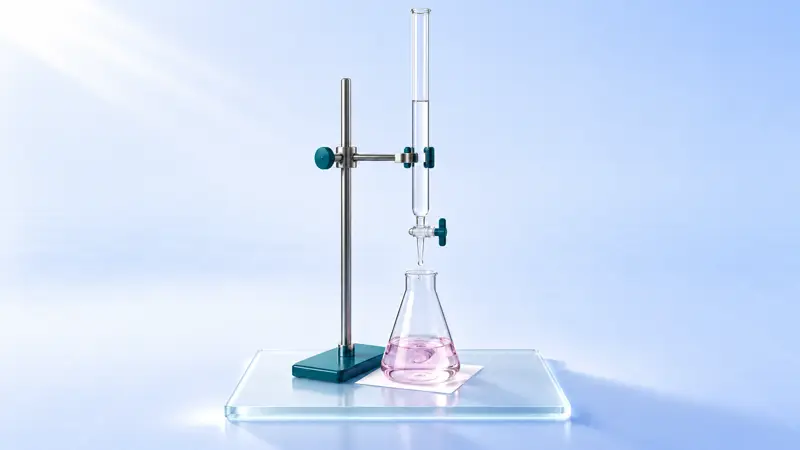
More than 20 mL has been added with almost no visible change. Why does the final half-drop cause a clear colour change?
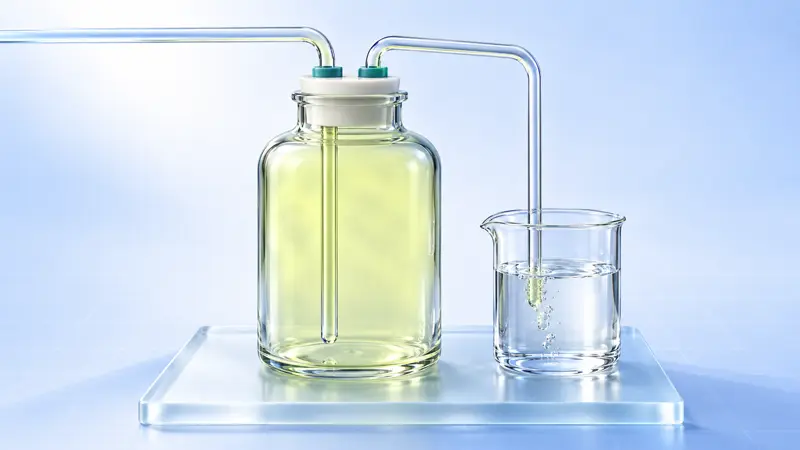
What does each part of the apparatus for preparing dry, pure chlorine do, and what happens if one part is missing?
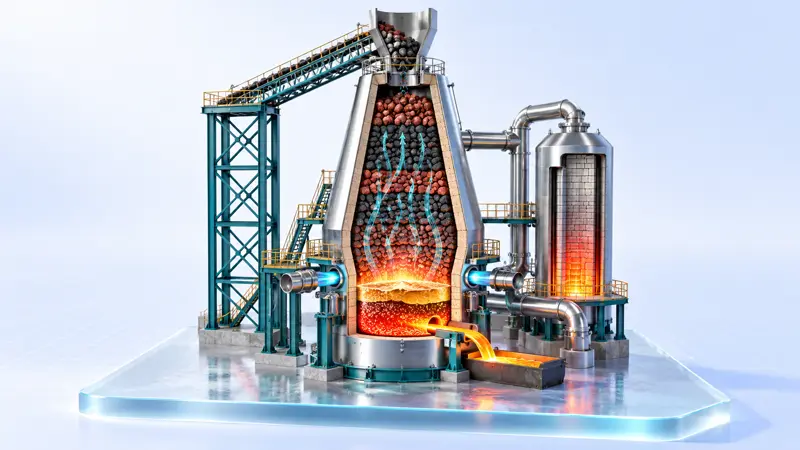
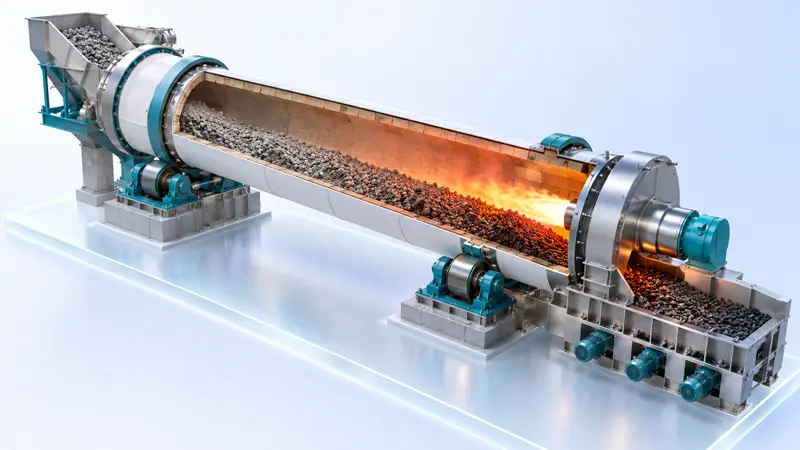
How does ore charged at the top become molten pig iron within hours, while fuel consumption is kept low?
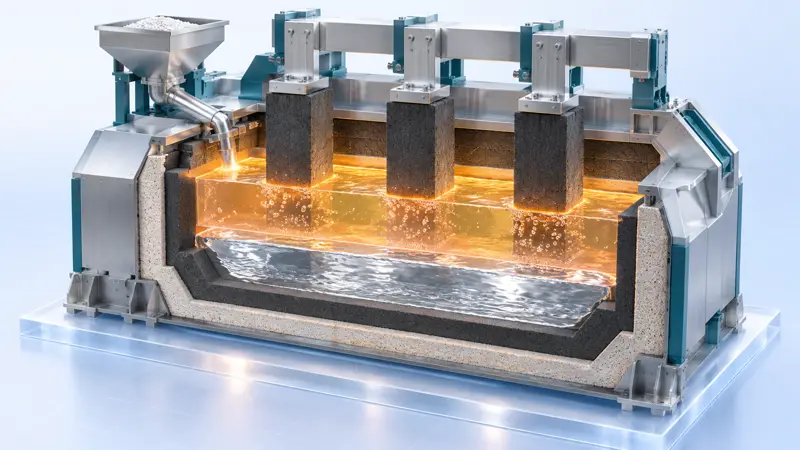
Why is electricity used to extract aluminium industrially, while aluminium itself can reduce iron oxide to iron?
Why did tens of thousands of toy ducks lost at sea drift to coastlines around the world?
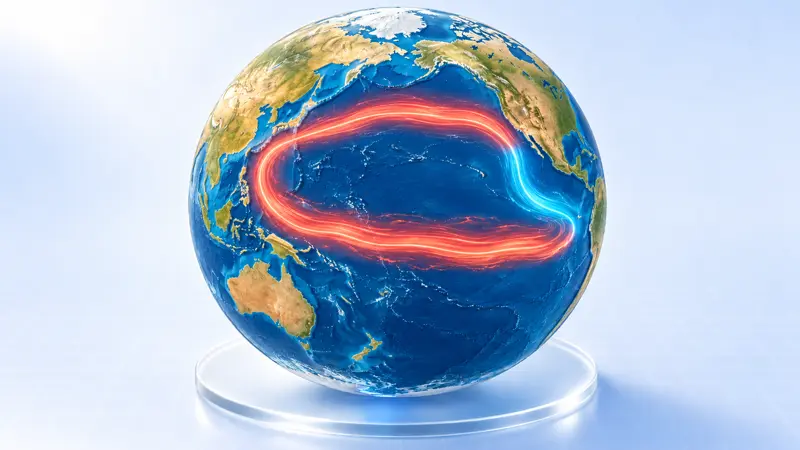
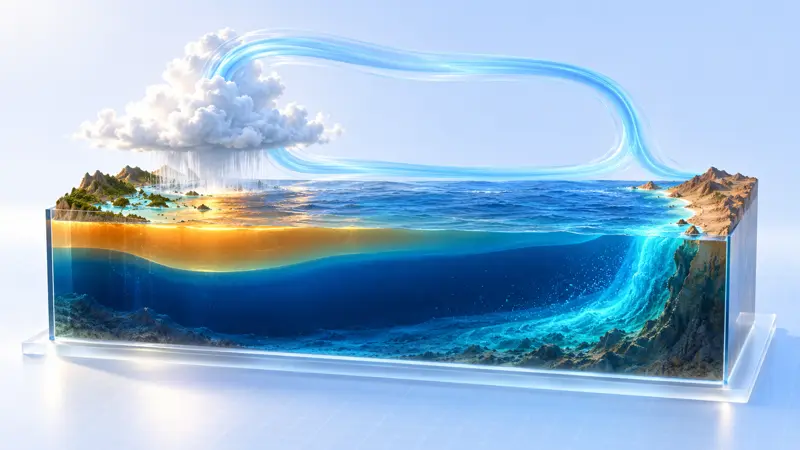
Why can unusually warm water in the eastern Pacific cause heavy rainfall along the Peruvian coast?
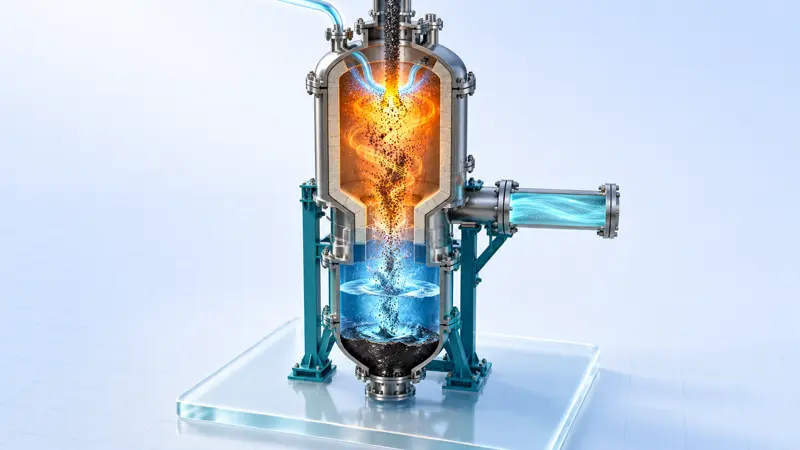
Is coal only a fuel to burn? How can it become a gas used to manufacture fertilizers and methanol?
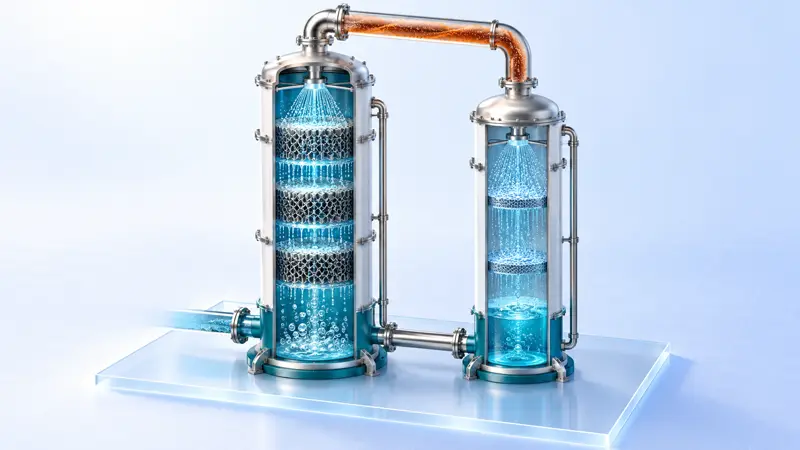
How can sulfur in ore be converted into sulfuric acid rapidly, with high yield, low cost and limited pollution?
Ions released by a salt may seem neither acidic nor basic. Why can they make a solution acidic or basic?
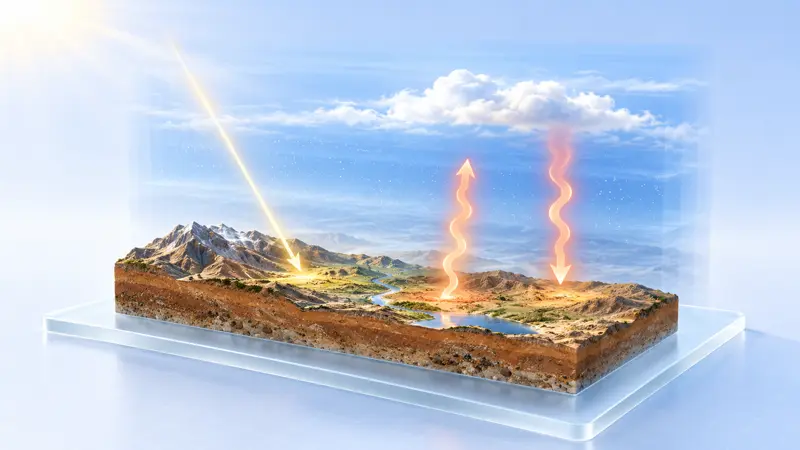
Sunlight reaches the ground all day. Why does the ground warm first during the day and cool quickly at night? How much heat does the atmosphere retain for it?
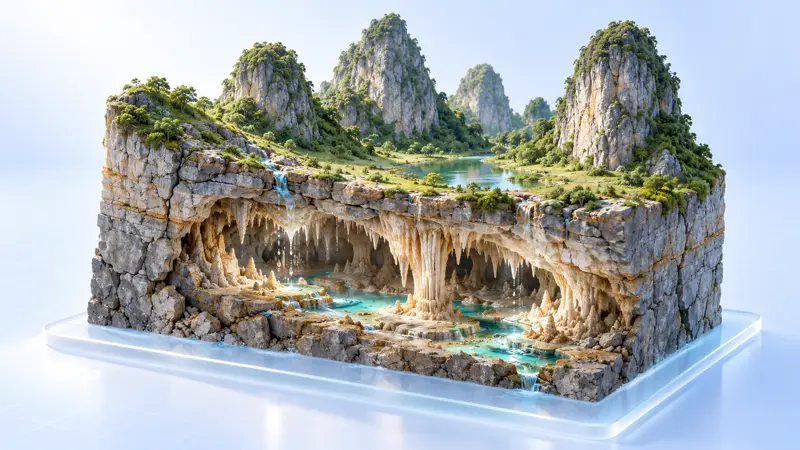
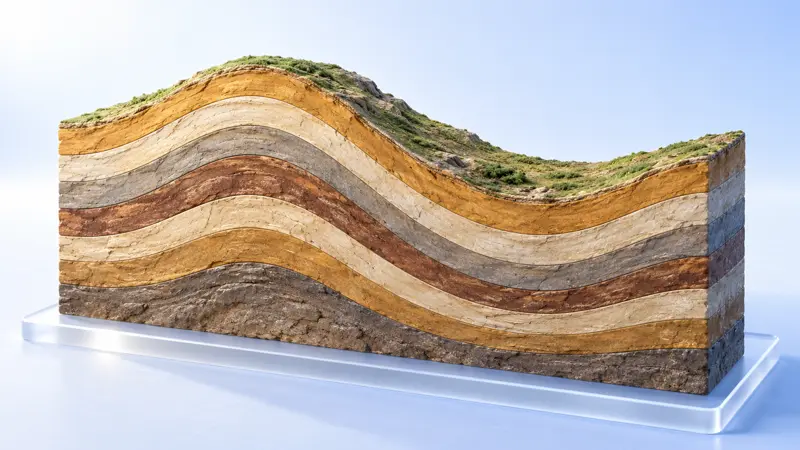
Xu Xiake described sharp, isolated peaks rising in rows. How did these develop from a layer of rock?
Why do limestone and clay become cement for dam construction after grinding, firing and grinding again?
Why did the Maldives hold a cabinet meeting 6 m below sea level?
Why are broadleaf fossils found on the Tibetan Plateau? What forces raised and then fractured its surface?
Why can the same light beam eject electrons from one metal but none from another? Which properties of the light determine the photoelectrons' energy?
What does a capacitor actually store? Can a single quantity describe its ability to store charge?
Why can it be noon in Beijing and midnight in New York at the same moment, and why are summer days longer than winter days?
Without measuring force or acceleration directly, can a paper tape and a few masses reveal the relationship between a, F and m?
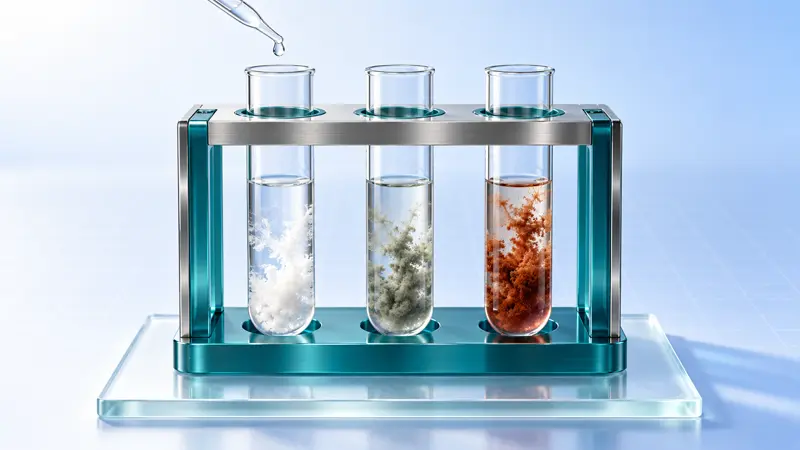
The element is still iron, so why does it sometimes have oxidation state +2 and sometimes +3 in a test tube? How can you tell?
Vegetable leaves become firmer and crisper in clean water, but release water when salted. How do plant cells gain and lose water?
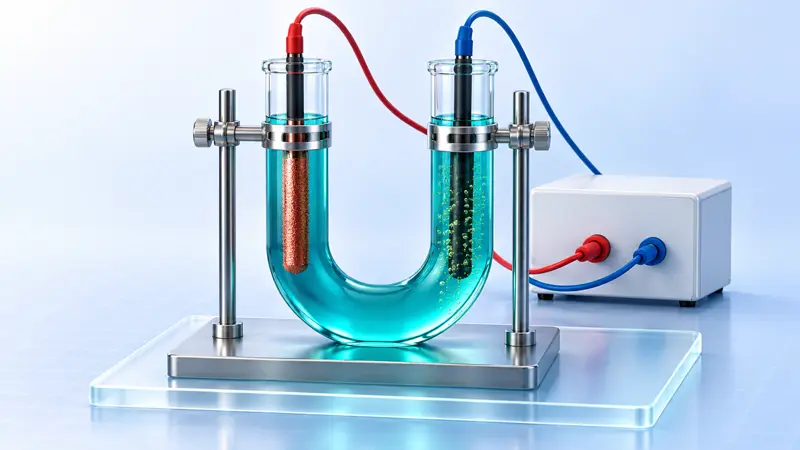
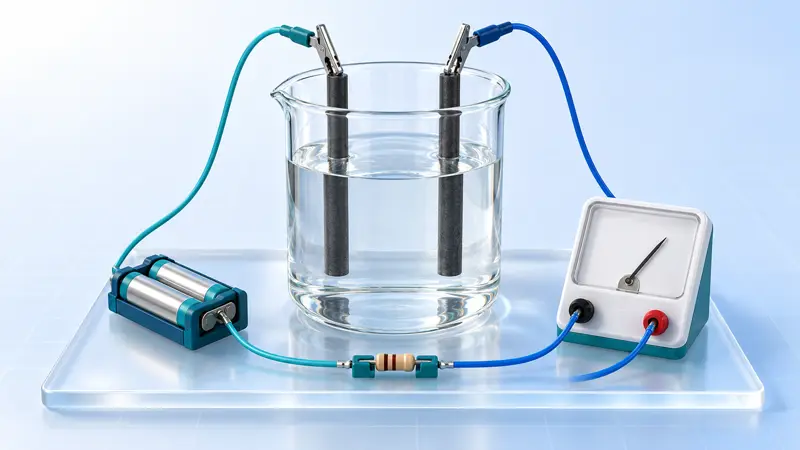
With the same direct-current supply, why does CuCl₂ solution yield copper and chlorine, while saturated brine yields hydrogen, chlorine and NaOH?
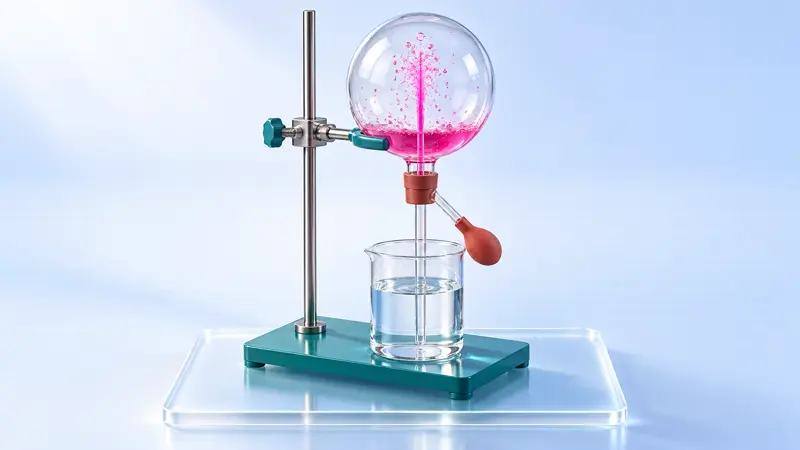
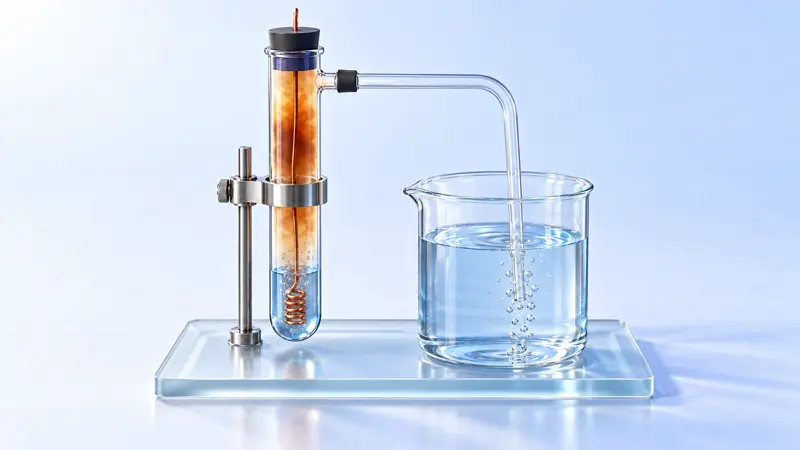
Why can a flask of ammonia draw water into itself from a beaker?
When a condition changes, how can you determine the direction in which equilibrium will shift?
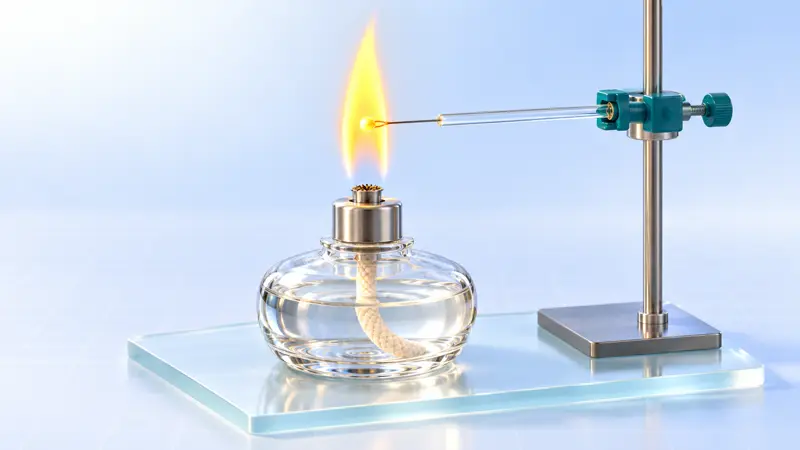
Why does each metal produce a characteristic flame colour, and how can that colour reveal a sample's composition?
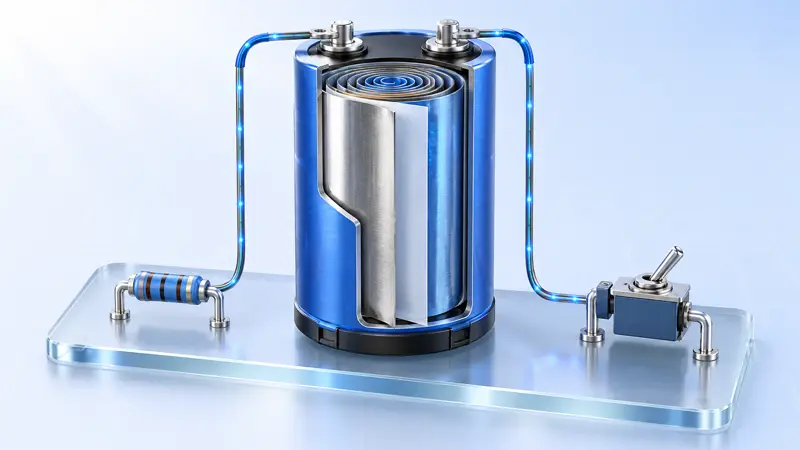
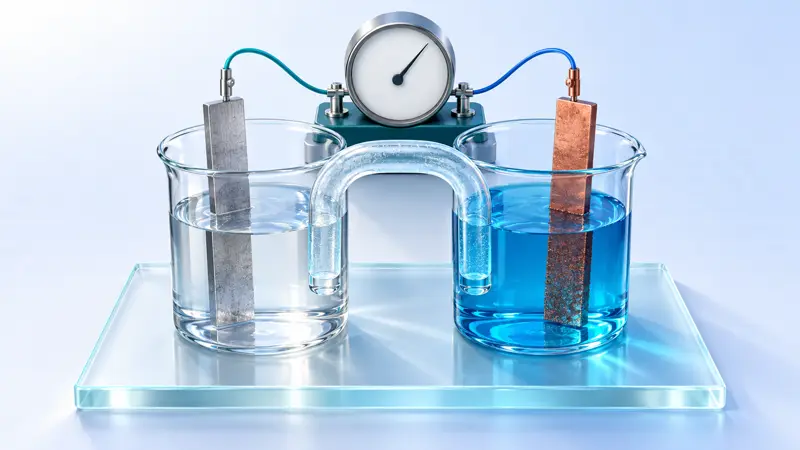
If one beaker of dilute acid already produces a current, why use two compartments and a salt bridge?
Why is the same hand more susceptible to electric shock when wet?
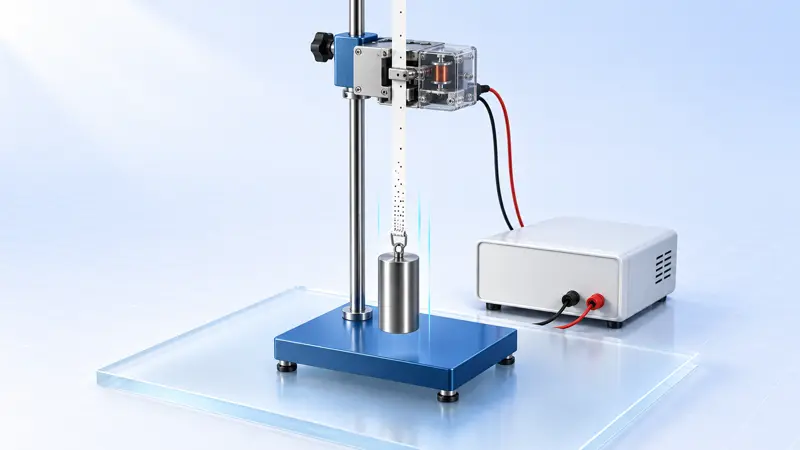
As a mass falls, is all the decrease in gravitational potential energy converted into an increase in kinetic energy? Can paper tape help measure and test this?
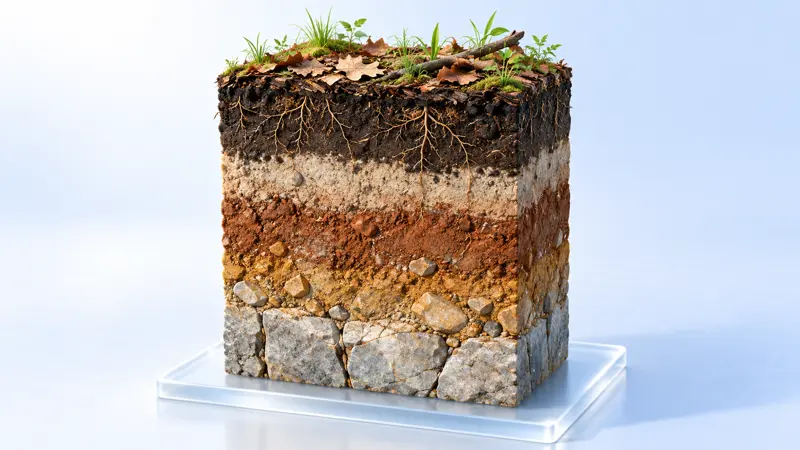
Why are soils in northeastern China dark and fertile, while soils in the south are relatively nutrient-poor?
Using only an inclined track and a screen, can you resolve horizontal projectile motion into two components and measure its initial velocity?
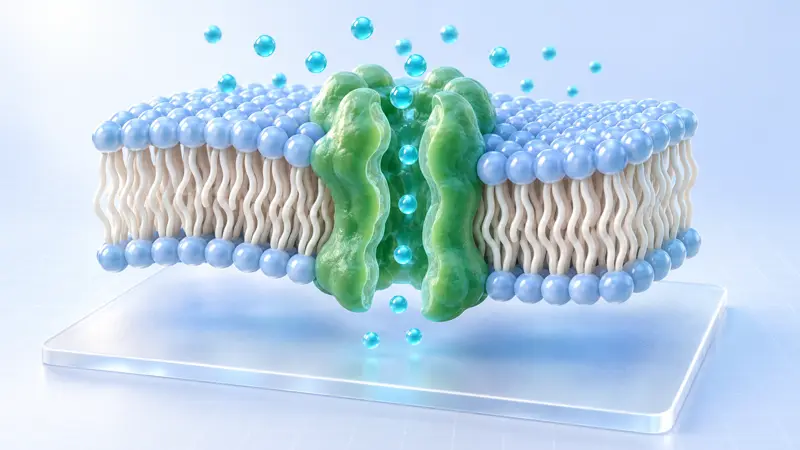
Across the same cell membrane, why can oxygen pass unaided, glucose needs a transport protein, and K⁺ can still move against its concentration gradient?
With copper and nitric acid in both cases, why does one flask release a reddish-brown gas and the other a colourless gas?
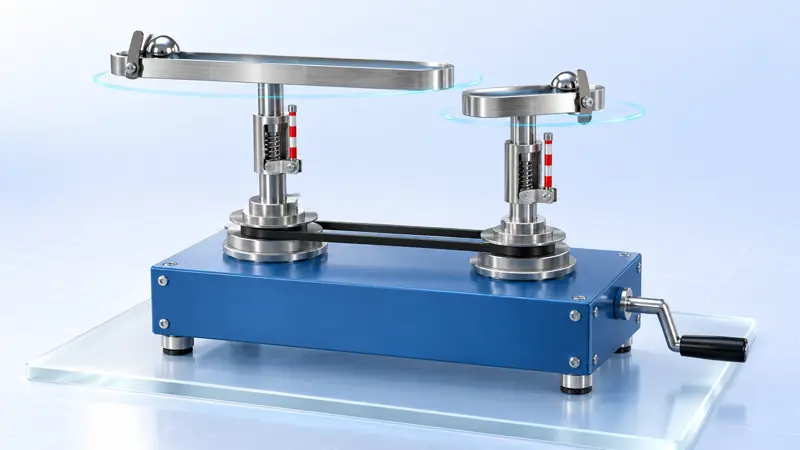
A hand-turned apparatus only gives division counts on two scales. Can these reveal the quantitative relationships between F and m, r, ω?
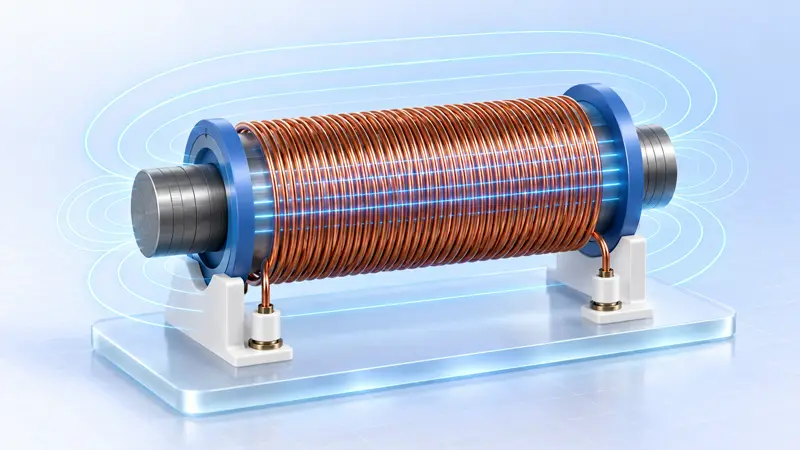
Why do two lamps behave differently after a few copper turns are added to the coil? Why can a lamp flash once more after the switch opens?
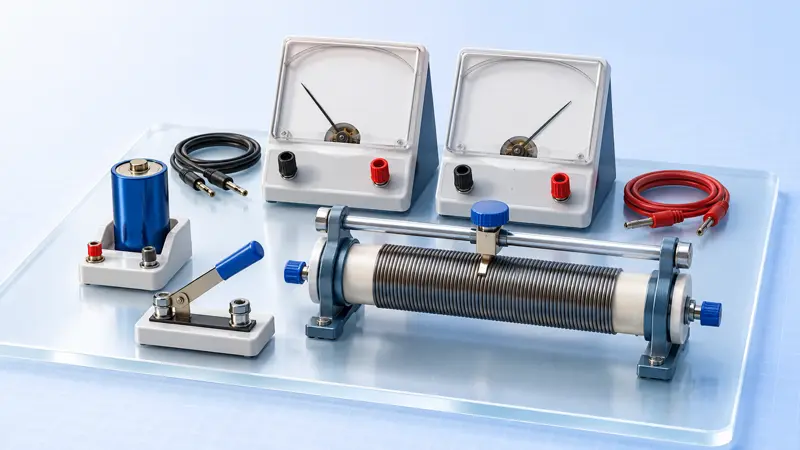
How can a voltmeter, ammeter and sliding rheostat measure an old dry cell's electromotive force and internal resistance? Does changing the circuit give the same result?
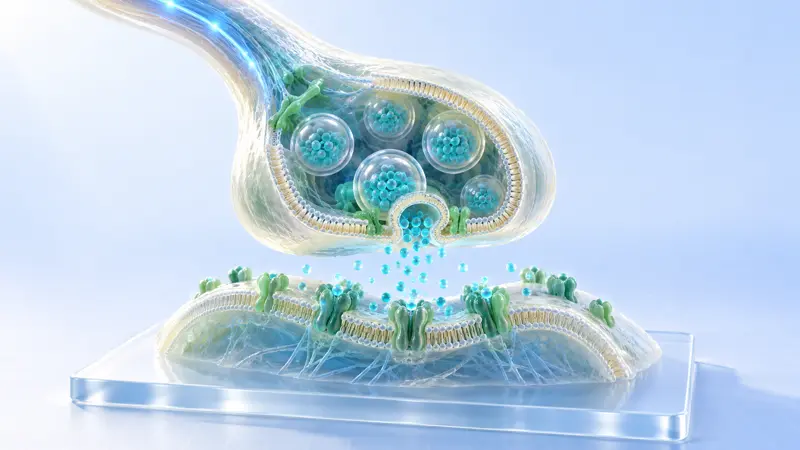
Starting within 0.1 s of the gun is classified as a false start (original textbook, p.27). How is an excitation signal transmitted through the body?
Seawater contains only 65 mg/L of bromine. How can it yield a bottle of liquid bromine?
Why can wind direction on the two sides of the Taiwan Strait reverse within a day?
Which cells in an onion root tip are dividing? Can counting cells estimate the duration of each phase?
Why is sodium stored under kerosene, and why must water not be used on a sodium fire?
The element is still sulfur. Why is it sometimes a yellow solid, sometimes associated with decolourizing fuchsin solution, and sometimes combined with iron powder?
Why does wind not blow straight from high to low pressure?
Iron rusts slowly, so how can it make a hand warmer hotter than 45 ℃? How can the same principles protect iron from rusting?
Why does boiling water destroy an enzyme's activity, while its activity can return after it is removed from ice water?
How can caustic soda output be increased while reducing electricity use and preventing faults?
How can common salt and ammonia produce soda ash while also yielding nitrogen fertilizer?
If a magnetic field cannot be seen or touched, how can it be represented and its direction determined?
If molecules cannot be seen, what evidence shows that they move randomly?
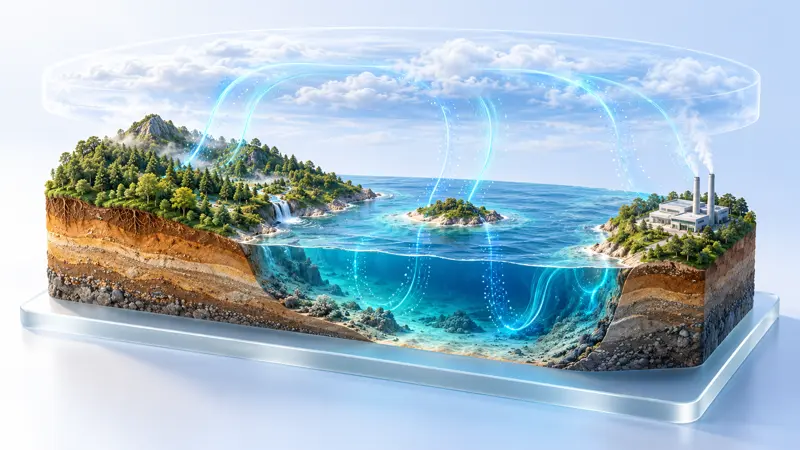
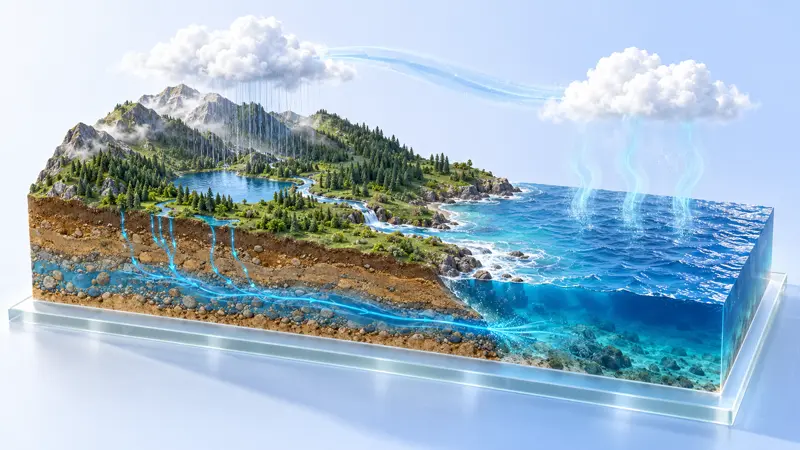
Rivers keep carrying water into the sea, so why does the amount of seawater not increase indefinitely?
Why did Magellan's fleet sometimes sail against the wind and sometimes with it, yet struggle to advance near 30°S?
Project a large view for everyone to observe, or let each learner investigate independently. Guided steps take you from a question to an experiment and a conclusion.
See how to use it →Simulations support scientific exploration; combine them with real experiments and teaching materials.